Wednesday, 14 March 2012

DSDSC forms human blue circle for World Diabetes day-2010

DSDSC formed its first human blue circle this year as a demonstration of support for people around the world with diabetes. The blue circle is the official logo of World Diabetes Day and is often duplicated in "human form" as a demonstrable act of support for WDD's effort to increase diabetes advocacy and awareness. DSDSC is proud to have partnered with Sidhartha Mahila Kalasala and Roots Health Foundation - Vijayawada to conduct this activity. Nearly 200 girl students from Sidhartha Mahila Kalasala formed the blue circle.

"This initiative underscores DSDSC commitment to advocacy, awareness and education when it comes to diabetes," said Dr. M. Srikanth, Consultant Diabetologist, Dr. Srikanth's Diabetes Specialities Centre. "We're thankful to have such wonderful partners in the diabetes community and hope that our Human Blue Circle encourages others to get involved and make a difference in their communities."
Dr. Srikanth addressing media on World Diabetes Day - 2010

Hon. M.L.A. (Vijayawada Central) Sri. Malladi Vishnu inaugurated the event

Human Blue Circle Photos covered in News Papers

Human Blue Circle Photos covered in News Papers

Human Blue Circle News Coverage

Human Blue Circle News Coverage


Monday, 27 February 2012

Diabetes Awareness Walk and Free Screening Camp held at Kanuru village

Approximately 375 students and adults of Kanuru village attended the DSDSC Diabetes Awareness Walk and Free Screening Camp on 14th November 2010 – joining chief guest Dr.Kodali Jagan Mohan Rao FRCP, (Edin) Gastroenterologist, Nagarjuna Hospitals-Vijayawada.

Spearheaded by Chairman Anne Rama Tulasi Trust Sri Anne Siva Nageswara Rao and Chairman Roots Health Foundation Dr. Vijaya Bhaskar the event featured a 3.5 kilometer walk in the Kanuru Village, in addition to free blood sugar screening and Diabetes consultations rendered by team DSDSC.

According to Dr. M. Srikanth chief Diabetologist, DSDSC there are approximately 385 million diabetics worldwide, with two people dying every minute from the deadly pandemic. He urged participants to avoid being part of this group by walking at least 3.5 kilometers per day in order to increase levels of physical fitness – and thus decreasing the chances of being stricken by Type 2 diabetes, of which a staggering 80% is preventable. Addressing the participants Dr.Kodali Jagan Mohan Rao FRCP, (Edin) Gastroenterologist, Nagarjuna Hospitals said that walking and participating in sports provides vital exercise to fight this and other deadly diseases.

Kanuru Surpanch Smt. Anne Sujatha, Convener Roots Health Foundation Sri. Amit and Teaching Staff ZPHSchool – kanuru also participated in the awareness walk and diabetes testing. One of the purposes of the Walk and Free Screening Camp was to raise the Diabetes awareness among the lay public. DSDSC supports all measures that increase awareness and knowledge within the health care system and in the general population.

Sri Anne Siva Nageswara Rao addressing the Public. Seen in the picture Dr. Vijaya Bhaskar Chairman Roots Health Foundation

Dr.K. Jagan Mohan Rao Gastro enterologist, Nagarjuna Hospitals giving health tips to the Diabetes patients

Dr.K. Jagan Mohan Rao and Sri Anne Siva Nageswara Rao flagged off the Diabetes Awareness Rally.

Thursday, 16 February 2012

Diabetes Detection & Awareness Camp organized for APIIC Colony Residents

A free diabetes detection and awareness camp was organized for the APIIC Colony residents by Dr. Srikanth's Diabetes Specialities Centre and Roots Health Foundation - Vijayawada in association with State Bank of India Governerpet in the APIIC Kalyanamandapam on Saturday the 24th July 2010.

Over 100 residents were screened during the camp, which was inaugurated by the Hon. MLA Vijayawada East Sri. Yalamanchili Ravi.

A power point presentation was made by Dr. M. Srikanth chief Diabetologist, DSDSC explaining the magnitude of diabetes, types & symptoms, complications and management options. Sri B.R.Prasad Asst. General Manager State Bank of India Governerpet and Sri P. Sambasiva Rao President APIIC Colony, presided over the inaugural.
Hon. MLA Vijayawada East Sri. Yalamanchili Ravi addressing the residents of APIIC Colony

M. Srikanth chief Diabetologist, DSDSC examining the APIIC Colony residents

Thursday, 9 February 2012

Trekking for Diabetes Prevention - World Diabetes day-2009

The prevention of diabetes mellitus is possible, with the modification of lifestyle, one such aspect is that of physical activity and exercise. All levels of exercise, including leisure activities, recreational sports and competitive professional performance, can prevent Diabetes in high risk people.

For some people, a weekly aerobics class will suffice, but for others a more extreme activity is required, hence the increase in the number of people at risk for diabetes, participating in sports such as trekking, diving and marathon running.

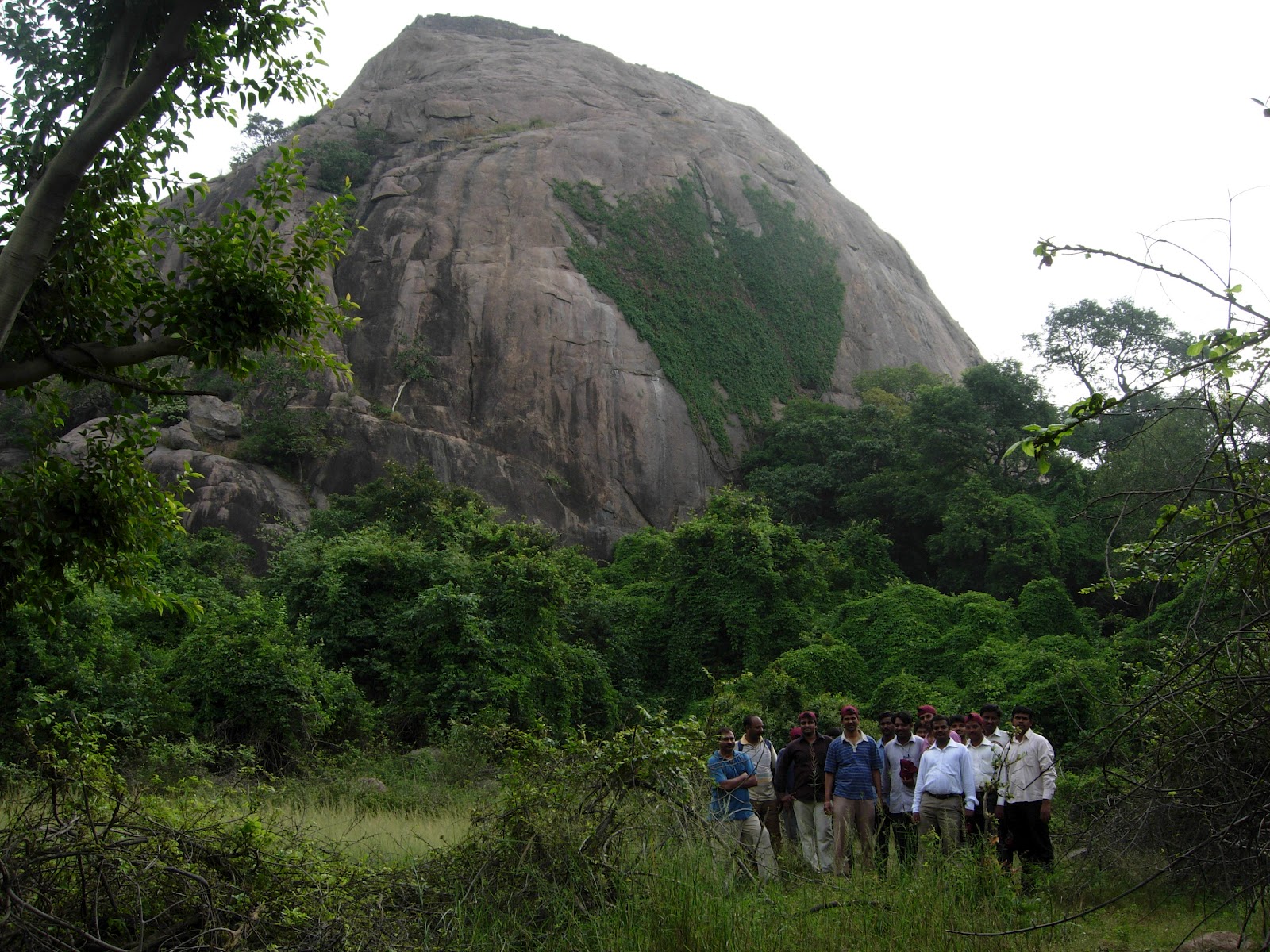
Situated strategically on the old Machilipatnam-Golconda trade route, Kondapalli hill range, about 24 kilometers (15 mi) in length, extending between Nandigama and Vijayawada. From the Kondapalli village, the renowned Kondapalli fort precincts are approached through a 1 kilometer (0.62 mi) trekking through forests.

On World Diabetes Day 2009, a group of 25 persons who either have family history of diabetes, and/or overweight with sedentary life style, took on the challenge of reaching the Kondapalli fort by trekking in order to raise awareness in the common public. Senior Journalist Sri. Raghavachari flagged off the trekking expedition. Trekking brings people nearer to the nature and increases ones self confidence, said Sr. Journalist Sri. Raghavachari. Youth Hostels Association represented by Mr. Ramdas and Mr. Ratnaprasad explained the psychological and physical benefits of trekking. DSDSC is privileged to partner with Youth Hostels Association of India-Vijayawada Unit to conduct this activity.

The day consisted of walking through a dense forest area (which abounds in a type of lightwood known as 'ponuku' (Gyrocapus jacquini), which is used exclusively for the manufacture of the famous Kondpalli toys), which at times resembled a mud path due to the high rainfall. The trekkers had fruits, fluids, Snacks and mini lunch on the top of the hill. Individual and group photographs were taken, at all catchy locations.

The experience of Kondapalli hill trekking has been an invaluable experience. Not only had every one made a number of great friends but they also got motivated for primary prevention of Diabetes.

Flag off by Sr. Journalist Sri Raghavachari
Trekking for Diabetes Prevention - News Coverage
Sr. Journalist Sri Raghavachari addressing trekkers


Trekking for Diabetes Prevention - News Coverage
Dr. Srikanth's Diabetes - Vijayawada, Trekkers-1
Dr. Srikanth's Diabetes - Vijayawada, Trekkers-2
Dr. Srikanth's Diabetes - Vijayawada, Trekkers-3

Wednesday, 8 February 2012

DSDSC SERVICES

Treatment at DSDSC allows the highest level of patient care from first diagnosis to the management of all the complications associated with diabetes.

DSDSC has a team of professionals specifically trained to help people with diabetes learn how to reduce diabetes-related complications and maintain better health. The multidisciplinary team includes a Diabetologist, Trained Nurse, Physiotherapist, Diabetes Educator, Dietician and Social Worker.

As a DSDSC patient, you are at the center of the team. The specialists will work collectively to provide optimal diabetes care.

Diet & Nutrition Counseling
Department of Biochemistry and Immunoturbidometry
Diabetes Group Education
Diabetic Eye Care
Heart Evaluation
Obesity & Weight Management Clinic
Physiotherapy & Pain Clinic
Oral Hygiene & Dental Care
Clinic for Erectile Dysfunction with Penile flow studies
Preventive Foot Care Unit
Fast Med Pharmacy

Wednesday, 25 January 2012

What You Can Do to Stay Safe


The best way you can help to prevent errors is to be an active member of your health care team. That means taking part in every decision about your health care. Research shows that patients who are more involved with their care tend to get better results.
Medicines

1.    Make sure that your doctors know about every medicine you are taking. This includes prescription and over-the-counter medicines and dietary supplements, such as vitamins and herbs.

2.    Bring all of your medicines and supplements to your doctor visits. "Brown bagging" your medicines can help you and your doctor talk about them and find out if there are any problems. It can also help your doctor keep your records up to date and help you get better quality care.

3.    Make sure your doctor knows about any allergies and adverse reactions you have had to medicines. This can help you to avoid getting a medicine that could harm you.

4.    When your doctor writes a prescription for you, make sure you can read it. If you cannot read your doctor's handwriting, your pharmacist might not be able to either.

5.    Ask for information about your medicines in terms you can understand—both when your medicines are prescribed and when you get them:
·   What is the medicine for?
·   How am I supposed to take it and for how long?
·   What side effects are likely? What do I do if they occur?
·   Is this medicine safe to take with other medicines or dietary supplements I am taking?
·   What food, drink, or activities should I avoid while taking this medicine?

6.    When you pick up your medicine from the pharmacy, ask: Is this the medicine that my doctor prescribed?

7.    If you have any questions about the directions on your medicine labels, ask. Medicine labels can be hard to understand. For example, ask if "four times daily" means taking a dose every 6 hours around the clock or just during regular waking hours.

8.    Ask your pharmacist for the best device to measure your liquid medicine. For example, many people use household teaspoons, which often do not hold a true teaspoon of liquid. Special devices, like marked syringes, help people measure the right dose.

9.    Ask for written information about the side effects your medicine could cause. If you know what might happen, you will be better prepared if it does or if something unexpected happens.
Hospital Stays

1.    If you are in a hospital, consider asking all health care workers who will touch you whether they have washed their hands. Hand washing can prevent the spread of infections in hospitals.

2.    When you are being discharged from the hospital, ask your doctor to explain the treatment plan you will follow at home. This includes learning about your new medicines, making sure you know when to schedule follow-up appointments, and finding out when you can get back to your regular activities.


It is important to know whether or not you should keep taking the medicines you were taking before your hospital stay. Getting clear instructions may help prevent an unexpected return trip to the hospital.
Other Steps

1.    Speak up if you have questions or concerns. You have a right to question anyone who is involved with your care.

2.    Make sure that someone, such as your primary care doctor, coordinates your care. This is especially important if you have many health problems or are in the hospital.

3.    Ask a family member or friend to go to appointments with you. Even if you do not need help now, you might need it later.

4.    Know that "more" is not always better. It is a good idea to find out why a test or treatment is needed and how it can help you. You could be better off without it.

Learn about your condition and treatments by asking your doctor and nurse. Ask your doctor if your treatment is based on the latest evidence.


Sunday, 27 November 2011

Dr. M. Srikanth honored with Prof. M. Viswanathan Gold medal award

Dr. M. Srikanth after pursuing F.D.R.C. course in Diabetology (2 years residential postgraduate training) from 2007-2009 in the prestigious Diabetes Research Centre, a W.H.O. collaborating center for Research, Education & Training in Diabetes has been adjudged as the best out going trainee and was honored with Prof. M. Viswanathan Gold medal award in march 2009. Dr. Srikanth's Research work on Non Alcoholic Fatty Liver Disease,  Glycosylated Hemoglobin, Wolfram Syndrome, Metabolic Syndrome was published in many national and international journals. The prestigeous Gold medal award was named after a clinician, teacher and internationally recognized leading research scientist in diabetes,  Prof. M. Viswanathan who is also regarded as the "Father of Diabetology" in India.